
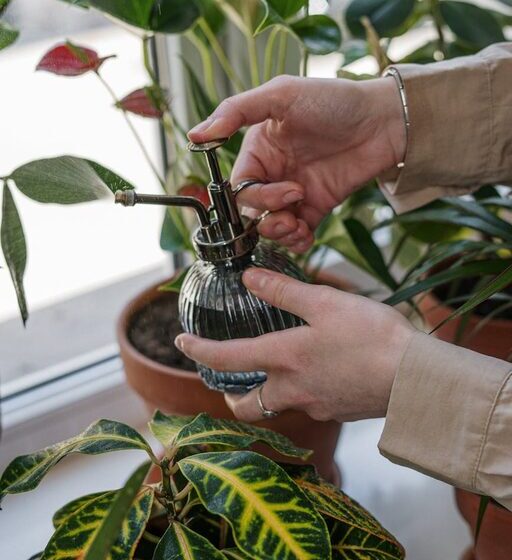

Houseplants have become increasingly popular in recent years, and for good reason. They bring a touch of nature indoors, improve the atmosphere of your living space, and provide numerous health benefits. Whether you’re an experienced gardener or just starting out, keeping houseplants can be a rewarding hobby. This article explores the many advantages of having plants at home and offers practical advice to keep your green friends healthy and vibrant.
Benefits of Keeping Houseplants
1. Improved Air Quality
One of the most well-known benefits of houseplants is their ability to purify the air. Many plants absorb carbon dioxide and release oxygen during photosynthesis. Some species, such as spider plants, peace lilies, and snake plants, are particularly good at filtering harmful toxins like formaldehyde and benzene from indoor air. Cleaner air can lead to better respiratory health and an overall sense of wellbeing.
2. Boosted Mood and Reduced Stress
Studies have shown that caring for plants can have a positive effect on mental health. Spending time nurturing houseplants is a relaxing activity that can reduce stress levels and improve mood. The presence of greenery also helps create a calming atmosphere, which can aid concentration and promote feelings of happiness and calm.
3. Enhanced Home Aesthetics
Plants add colour, texture, and life to any room. They can be used as decorative accents or even centrepieces, complementing your interior design style. From small succulents on a windowsill to large leafy plants in corners, houseplants bring a fresh and inviting vibe to your home.
4. Increased Humidity
Indoor heating and air conditioning can make the air inside your home dry, which can cause skin irritation and respiratory problems. Houseplants release moisture through a process known as transpiration, helping to increase indoor humidity levels. This can create a more comfortable living environment, especially during the colder months.
5. Educational and Therapeutic Opportunities
For children and adults alike, growing plants offers a practical way to learn about biology and nature. It can also be a therapeutic activity, encouraging mindfulness and patience. Gardening indoors allows people to connect with the natural world, even in urban settings where access to outdoor gardens may be limited.
Tips for Caring for Houseplants
Keeping houseplants healthy requires some attention and care, but it doesn’t have to be complicated. Here are some practical tips to help your plants flourish:
Choose the Right Plants
Before buying a plant, consider where you will place it. Different plants have varying light, water, and temperature requirements.
– Low light: Snake plants, pothos, and ZZ plants do well in shaded areas.
– Bright light: Succulents and cacti need plenty of sunshine.
– Humidity-loving: Ferns and peace lilies prefer rooms with higher moisture levels.
Provide Adequate Light
Place your plants where they will get the right amount of natural light. Near a window is usually ideal, but be mindful of direct sunlight, which can scorch sensitive leaves. If natural light is limited, consider using grow lights designed for indoor plants.
Water Wisely
Overwatering is a common mistake. Most houseplants prefer the soil to dry out slightly between waterings. Check the moisture level with your finger or a moisture meter before watering. Use pots with drainage holes to prevent waterlogging, which can cause root rot.
Use Suitable Soil and Fertiliser
Different plants prefer different types of soil, but a high-quality potting mix is usually appropriate for most houseplants. Use balanced, water-soluble fertilisers during the growing season (spring and summer) to provide essential nutrients. Follow instructions carefully to avoid overfeeding.
Maintain Proper Humidity and Temperature
Keep your plants away from drafts, radiators, or air conditioning vents, as sudden temperature changes can stress them. Most houseplants thrive in temperatures between 15°C and 24°C. If the air is dry, misting plants occasionally or using a humidifier can help.
Prune and Clean Regularly
Trim dead or yellowing leaves to encourage new growth and prevent disease. Dust leaves gently with a soft cloth to keep them free of dirt, which can block sunlight and reduce photosynthesis.
Repot When Needed
When a plant outgrows its pot, or the soil becomes compacted, repotting is necessary. Choose a pot slightly larger than the current one and refresh the soil to provide new nutrients.
Final Thoughts
Houseplants enrich our homes in many ways, from purifying the air to improving mood and adding natural beauty. With a little care and attention, they can thrive and bring lasting joy. Start with easy-to-care-for plants if you’re new to indoor gardening, and gradually expand your collection as you gain confidence. Remember, your plants will respond well to consistent care, so enjoy the process and watch your green space grow!
—
Embracing houseplants can transform your living environment, offering both practical and emotional benefits. By following simple care guidelines, you’ll create a healthier, happier home filled with natural charm.