
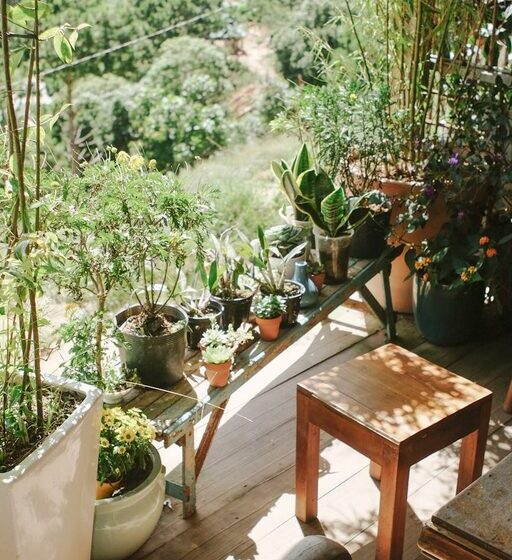

Creating a small garden that is both beautiful and functional can be a rewarding challenge. With limited space, every element needs to be carefully chosen and positioned to maximise appeal and usefulness. Whether you have a tiny backyard, a balcony, or a courtyard, these tips will help you create an outdoor space to enjoy throughout the year.
1. Plan Your Layout Carefully
Before planting or purchasing furniture, take time to plan your garden’s layout. Map out the available space with accurate measurements and consider how you want to use the garden. Think about:
– Seating areas
– Pathways
– Plant beds or containers
– Storage spaces
– Decorative elements
Keep pathways clear and proportionate to avoid cluttering the space. Use graph paper or digital garden planning tools to visualise your ideas.
2. Choose the Right Plants for Small Spaces
Selecting the right plants is essential to ensure your garden stays balanced and easy to maintain. Consider these tips:
Opt for Compact or Dwarf Varieties
Many plants come in dwarf versions that stay small but still produce flowers or fruit.
Use Vertical Gardening
Grow climbers on trellises, use hanging baskets, or wall-mounted planters. This saves floor space and adds height interest.
Select Plants with Multiple Seasons of Interest
Choose plants that offer flowers, attractive foliage, or berries at different times of the year to keep the garden interesting.
Mix Evergreen and Deciduous Plants
Evergreens provide structure and colour year-round, while deciduous plants add variety.
3. Prioritise Multi-Functional Features
In a small garden, furniture and accessories that serve more than one purpose are especially useful.
– Benches with storage: Great for keeping tools or cushions tidy.
– Foldable or stackable furniture: Easy to move or stow away to free up space.
– Planters with built-in seating or trellises: Combine planting and seating areas.
4. Use Light and Colour Wisely
Light plays a big role in small garden spaces. To make the space feel larger and more inviting, consider these techniques:
– Paint fences, walls, or furniture in light, neutral colours or pastels.
– Use reflective surfaces such as mirrors or water features to bounce light.
– Introduce bright or contrasting colours in plant pots, cushions, or garden ornaments.
– Select plants with light-coloured foliage or blossoms to brighten shady corners.
5. Create Defined Zones
Even small gardens can benefit from having separate zones, such as a place to sit and relax, an area for growing vegetables, or a spot for children to play.
Use changes in materials or low partitions like garden edging, raised beds, or trellises to divide the area without making it feel cramped.
6. Incorporate Container Gardening
Containers let you make the most of small spaces and are flexible for rearranging. They can also help with soil quality control and pest management.
Tips for Container Gardening:
– Choose pots with good drainage.
– Group containers of different sizes and heights for visual interest.
– Use lightweight materials if you need to move the containers often.
– Consider self-watering containers for easier maintenance.
7. Think About Maintenance
A small garden can quickly become overwhelming without routine care. Choose low-maintenance plants and features, and design the space to be easy to access for watering, weeding, and pruning.
Installing an irrigation system or using drip watering can help save time and water.
8. Add Personal Touches
Finally, make the space your own. Add decorative elements that reflect your style, such as:
– Garden art or sculptures
– Outdoor lighting for evenings
– Bird feeders or baths
– A small water feature
These touches make your garden not only functional but also a relaxing retreat.
—
With thoughtful planning and creativity, even the smallest garden can become a delightful and useful outdoor space. By maximising your layout, choosing plants carefully, and adding multi-purpose features, you’ll create a garden that’s a joy to spend time in throughout the seasons.