
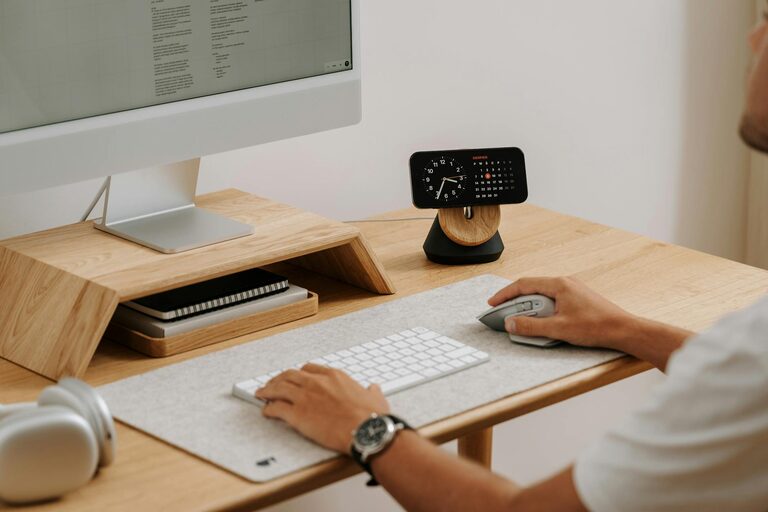

Working from home offers many benefits but also presents unique challenges. Combining comfort with productivity in your home office can make a big difference in your daily work experience. Here are practical tips to help you create a relaxing yet efficient workspace that supports your focus while keeping stress levels low.
Choose the Right Space
Finding the perfect spot for your home office is the first step. Ideally, select a quiet area with good natural light that is separate from high-traffic zones. A dedicated space helps your brain associate this area with work, which improves focus and controls distractions.
If space is limited, a corner of a room or a small dedicated nook can work well. The key is consistency and limiting interruptions where possible.
Focus on Ergonomics
Comfort plays a crucial role in productivity. Invest in ergonomic furniture such as an adjustable office chair and a desk at the right height. Your chair should support your lower back, and your feet should rest flat on the floor.
Position your computer screen so the top is at or just below eye level. This helps reduce neck strain and eye fatigue. Use a keyboard and mouse that feel comfortable and keep your wrists straight.
Keep the Space Organised
An organised workspace reduces stress and saves time looking for supplies. Use storage solutions such as shelves, filing cabinets, or desk organisers to keep everything tidy.
Try to keep only essential items on your desk to minimise clutter. When your desk is clear, it is easier to concentrate and feel calm.
Personalise Your Environment
Add elements to your office that make it inviting without being distracting. This could include plants, artwork, or motivational quotes. Indoor plants improve air quality and add a touch of nature, which can help reduce stress.
Make sure the décor and colours you choose are calming. Soft blues or greens are popular for creating a peaceful atmosphere.
Control Lighting
Good lighting is essential to avoid eye strain and maintain energy levels. Natural light is best, so position your desk near a window if possible. Use blinds or curtains to control glare.
For artificial lighting, choose adjustable desk lamps with warm white light to create a cosy feel. Avoid harsh overhead lights that can cause headaches.
Minimise Noise Distractions
Noise from other parts of the house can disrupt concentration. If you cannot control background noise easily, consider using noise-cancelling headphones or playing soft background music to mask distractions.
Earplugs may also help if you prefer silence. Communicate boundaries with other household members during work hours to reduce interruptions.
Establish Routines
Creating daily habits can improve productivity and help maintain work-life balance. Start your day with a brief routine such as tidying your desk, making a to-do list, or stretching.
Schedule regular breaks to rest your eyes and move around. Short walks or simple exercises help refresh your body and mind.
Incorporate Relaxation Spaces
If your home office space allows, include a comfortable chair or small sofa where you can relax during breaks. Having a dedicated spot to unwind encourages you to step away from your desk and reduce stress.
Consider keeping a mindfulness or stress-relief corner with items like a small water fountain, essential oils, or a few books.
Use Technology Wisely
Leverage apps and tools that boost organisation and focus, such as task managers or timers for the Pomodoro Technique. However, avoid excessive notifications that can divide your attention.
Keep cables and devices organised using clips or cable management boxes to maintain a clean workspace.
Keep Air Fresh and Maintain Temperature
Good ventilation improves concentration and alertness. Open windows regularly or use a fan or air purifier if needed.
Keep the room at a comfortable temperature. Too hot or too cold rooms can hinder your ability to focus and decrease productivity.
—
By thoughtfully arranging your home office to balance comfort and efficiency, you can create an environment that supports both relaxation and high-quality work. Taking time to set up your space carefully helps improve your wellbeing and boost your daily performance.